Chemical peels — what to expect
Day by day: what happens to the skin, when the flaking starts and when the result actually shows.
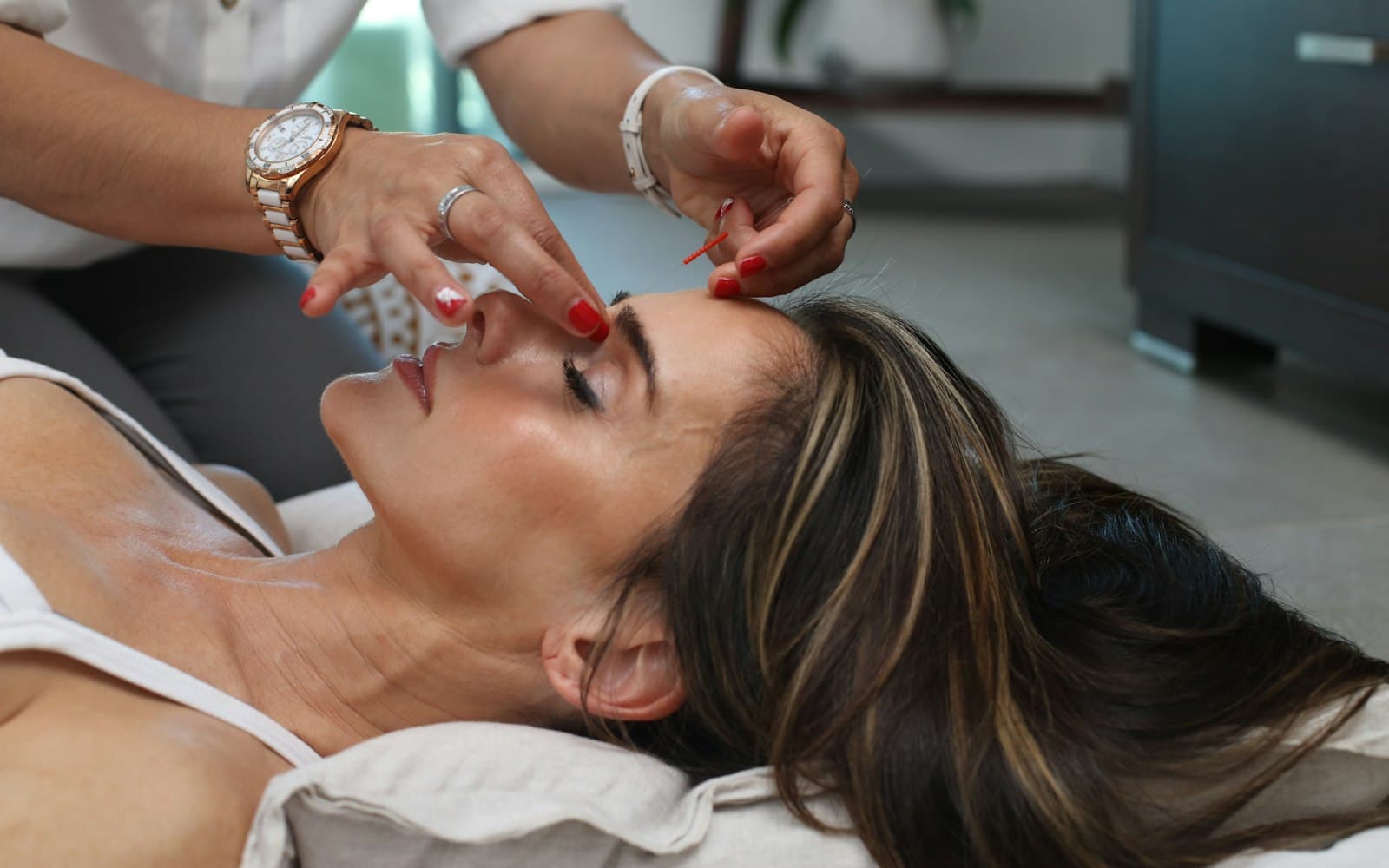
A chemical peel is not one treatment but a whole shelf of treatments at very different strengths. The same phrase covers gentle mandelic acid, after which nothing is visible, and a medium-depth peel, after which you will not want to see anyone for five days. Here is what actually happens.
The day of the treatment
The skin is red and warm, sometimes stinging slightly for the first hour. You leave with a protective cream and sunscreen applied. Makeup waits until the next day — and with stronger peels, until the flaking is over.
Days 1–2
Usually nothing happens. This is the point at which people most often message us asking whether the treatment worked. It did — the remodelling simply has not reached the surface yet.
Days 3–5
Flaking begins: first around the nose and mouth, then across the cheeks. With mandelic acid it may amount to slight roughness; with a medium-depth peel it is sheets of skin.
The rule that matters most at this stage: *do not pick*. Skin removed early leaves pigmentation behind for many weeks. Moisturise, apply sunscreen and wait.
Days 6–10
The skin is smooth by now but still sensitive and pink. Return to active ingredients — acids, retinol — after a week, and at a lower frequency than before.
When the result shows
After a first peel, what you see is mainly smoothness. Evening out the tone and a real change in pigmentation require a series — usually four to six sessions at 2–4 week intervals. Results may vary individually.
When not to do it
- In summer, if you cannot commit to SPF 50 every day.
- With an active cold sore, a fresh tan or a compromised skin barrier.
- During pregnancy and breastfeeding.
- While taking isotretinoin, and for 6–12 months after finishing it.
How to prepare the skin
Two weeks before a stronger peel it is worth introducing priming products and stopping mechanical exfoliation. For the first session in a series we always begin at the lowest concentration and raise it only once the skin has shown it copes.